Helping adults over 40 maintain healthy eyes, manage changing vision and find suitable solutions to see clearly and comfortably as they go about their daily activities.

From around the age of 40, you may begin to notice changes in your vision. Reading small print may become more difficult, you may need brighter lighting for close work, or your eyes may feel uncomfortable after prolonged use of digital devices.
Some changes are part of the normal ageing process, while others may be associated with eye conditions that require professional attention.
At Kesona Eye Centre, we provide comprehensive eye examinations and personalised eye care to help adults over 40 maintain healthy eyes, manage changes in their vision and continue performing their everyday activities comfortably.
How Your Eyes and Vision May Change After 40
As we get older, the structures and functions of our eyes gradually change. These changes can affect how clearly and comfortably we see at different distances. For example, the eye’s natural lens becomes less flexible with age, making it harder to focus on nearby objects. This condition is known as presbyopia.
Ageing also increases the risk of certain eye conditions. Some may cause noticeable symptoms, while others can develop gradually without obvious warning signs. This is why caring for your eyes after 40 involves more than getting reading glasses when small print becomes difficult to see. It also involves monitoring your eye health and ensuring that your visual needs are properly assessed.
Common Eye and Vision Concerns After 40



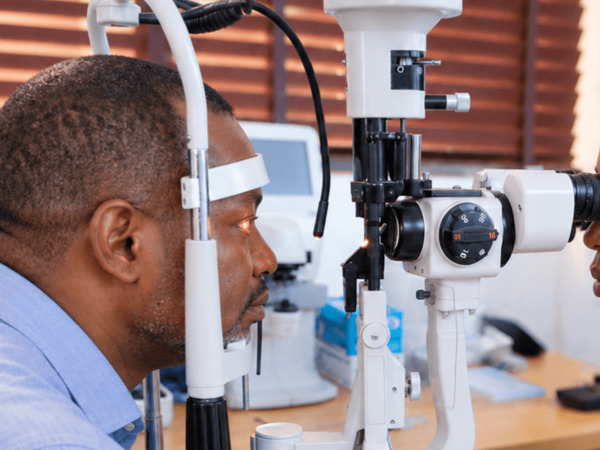


Presbyopia is a normal age-related change that affects the ability of the eyes to focus on nearby objects. It often becomes noticeable from the early to mid-40s.
Common experiences include difficulty reading small print, holding phones or books farther away, needing brighter lighting and experiencing discomfort during prolonged near work.
Presbyopia can be managed with suitable lenses, including reading glasses, bifocals, progressive lenses and occupational lenses. The most suitable option depends on your prescription, daily activities and individual visual needs.


How We Care for Your Eyes at Kesona Eye Centre
We understand that people have different visual needs depending on their work, lifestyle, eye health and daily activities. Our approach is to assess these needs carefully and recommend suitable solutions based on our examination findings.
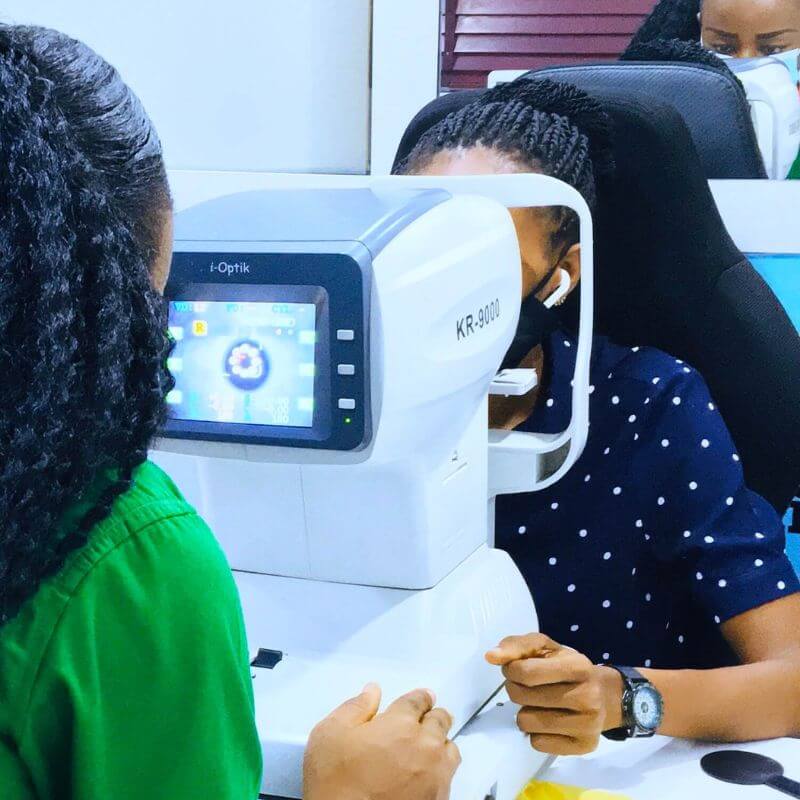
Comprehensive Eye Examination
We examine your vision and eye health to identify changes that may be affecting how clearly and comfortably you see.
Depending on your needs and examination findings, this may involve assessing your distance and near vision, determining your lens prescription, examining the structures of your eyes and performing additional tests where indicated.
We also consider relevant medical history, family history and other factors that may affect your eye health.

Personalized Care and Treatment
Getting suitable treatment solutions involves more than determining a prescription. We consider how you use your eyes throughout the day.
For example, someone who spends several hours working on a computer may have different visual requirements from someone who mainly needs glasses for reading, driving or other daily activities.
Based on your examination findings and individual needs, we explain suitable treatment and lens options and help you make an informed decision
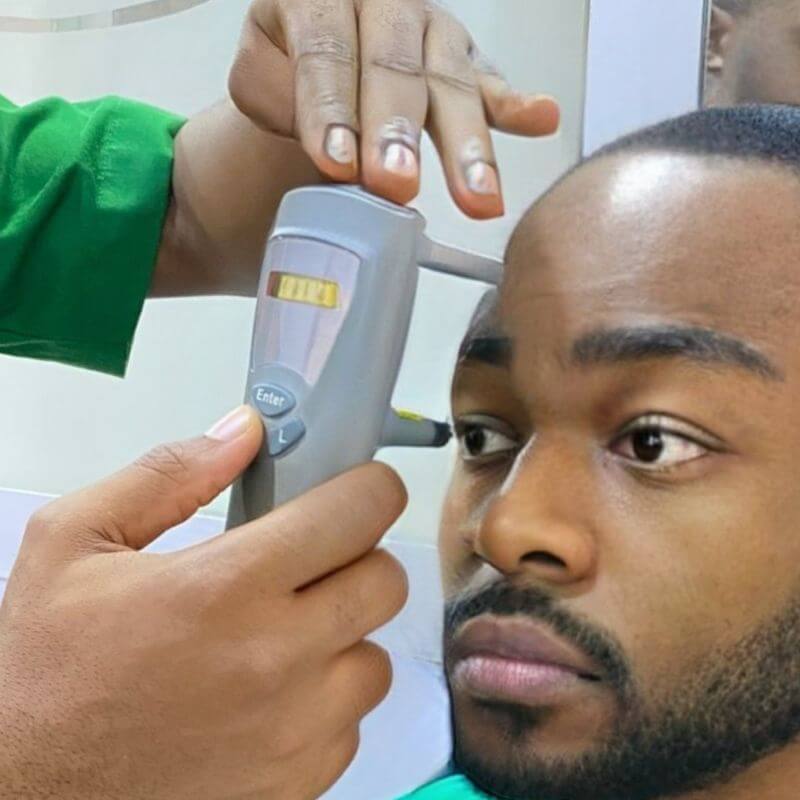
Eye Health Management and Monitoring
Where an eye condition is identified, we explain our findings and recommend appropriate next steps.
Depending on the condition, this may involve treatment, ongoing monitoring, lifestyle guidance or referral for specialist care.
We aim to help you understand your eye health and make informed decisions about your care

Guidance for Daily Comfort
We also provide guidance on habits and environmental factors that can support comfortable vision during everyday activities.
This may include advice on visual routines, lighting, screen positioning and other adjustments suited to your needs.
Why Routine Eye Examinations Matter After 40
Not every eye condition causes noticeable symptoms in its early stages. For this reason, waiting until vision becomes blurry or uncomfortable is not always the best approach to eye care.
Routine comprehensive eye examinations provide an opportunity to assess your vision, check your eye health and identify changes that may require attention.
The appropriate examination interval depends on factors such as your age, eye health, medical history, family history and previous examination findings. Eye doctors recommend a suitable schedule based on your individual risk factors and needs.
Why Choose Kesona Eye Centre?
Whether you spend long hours working on a computer, enjoy reading, drive regularly or perform activities that require detailed near vision, your eyes play an important role in how comfortably you work and live.
At Kesona Eye Centre, we understand that your visual needs change as you get older, and the right eye care can make a difference. Our experienced eye care professionals take the time to listen to your concerns, thoroughly assess your vision and eye health, and recommend solutions suited to your individual needs.
We are committed to providing professional, personalized care and ongoing support to help you maintain healthy eyes and see clearly and comfortably. Your visual needs may change with age, but with appropriate eye care, you can continue to make the most of your sight.
Book an Eye Examination
Take a proactive approach to caring for your eyes. Our team provides professional eye examinations, personalized recommendations, and appropriate care for your eye health and visual needs.
Alternatively, you can call or send a WhatsApp message to 09134343630 to book an appointment or make an enquiry